31 Principles of a Viral Product
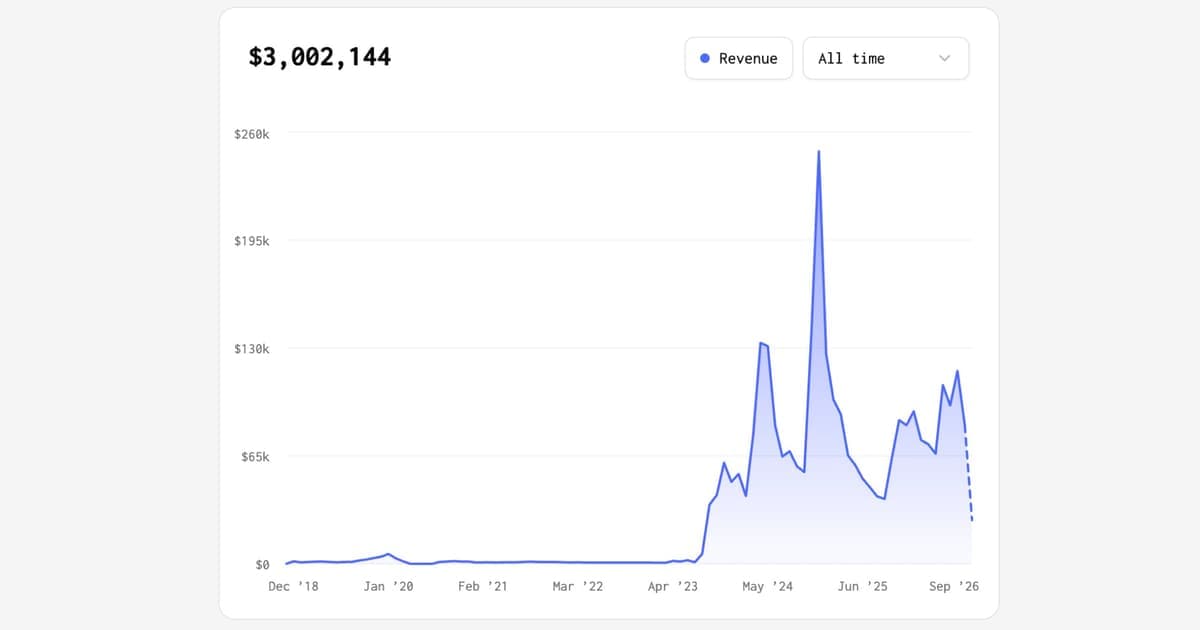
What I’ve learned from 5 years of building startups in public, watching hundreds of launches make $0, and a few reach millions of people.
 Marc Lou4,346 views
Built-in-public update 🧑💻
Hey, it’s Marc Lou!
I’m training for my first Hyrox
My 𝕏 account reached 300K followers
I launched SHIP OR DIE — a game where you have to ship a startup every 30 days
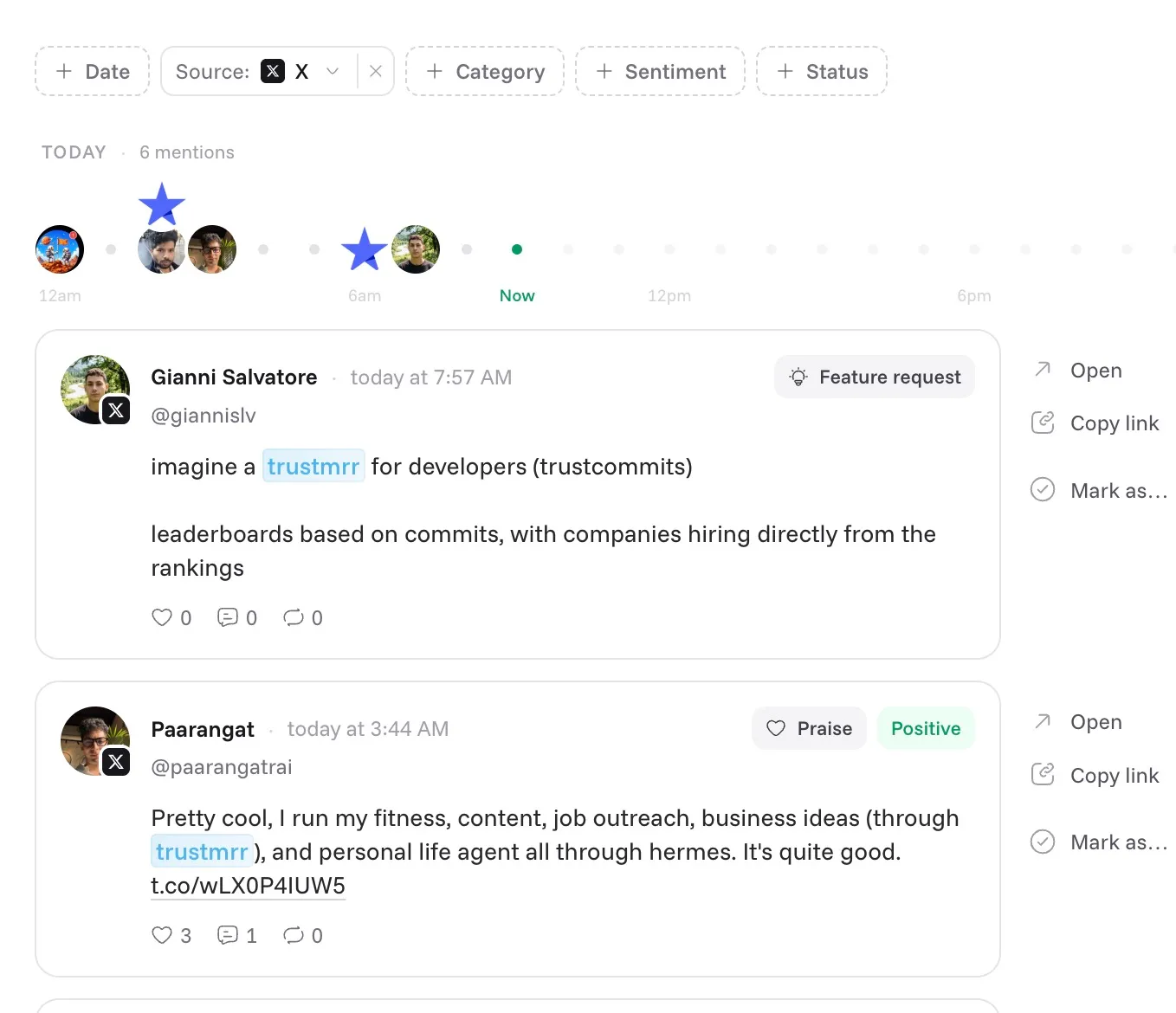
I’m building a new SaaS called Stalkr to track what people say about my startups and build features they request (the landing page is pure AI slop, I only built the product so far)
Keep going!
1. A viral product does not have a free plan
Free users are leeches. They increase support, server costs, and make you build features your paying customers don’t want.
Less than 3% of free users ever convert. Remove your free plan.
2. A viral product has three colors
Every color fights for attention. The more colors you add, the less people notice what matters.
Black text. White background. One color for the Buy button.
3. A viral product uses numbers instead of adjectives
“Fast” is forgettable. “Save 4 hours every week” isn’t.
4. A viral product ends with a footer people want to share
97% of visitors won't buy, but they might share. People remember what they see last.
Finish strong.
5. A viral product treats the OG image as a YouTube thumbnail
“If they don’t click, they don’t watch”. Your OG image is often seen more than your actual website.
Design it like a YouTube thumbnail.
6. A viral product reveals one idea per screen
Don’t try to say everything at once. One screen should communicate one idea and nothing else.
One screen. One message. Just like the Instagram feed.
7. A viral product has a headline a fifth grader can understand
Complexity kills curiosity. Use simple words. Your mum should get it.
8. A viral product has a hard paywall
Signups don’t pay the bills. If nobody is willing to pull out their credit card, you don’t have validation.
Ask for payment before asking for data.
9. A viral product has copy only you could write
If a competitor could copy-paste your landing page onto their website, your copy is too generic.
Write from experience.
10. A viral product shows the product before it explains it
A demo communicates more than paragraphs of text.
Show. Don't tell.
11. A viral product does one thing
The more things you do, the less people remember. People don't remember Swiss Army knives. They remember the tool that solved their problem.
Be known for one thing.
12. A viral product uses Popcorn Pricing
Your visitors came to buy a product, not study a spreadsheet. Every pricing tier you add creates another decision and another reason to leave.
Keep it to three choices: Good. Better. Best.
13. A viral product rides a wave
Build around trends, technologies, and problems people are already discussing.
The wave does half the marketing for you.
14. A viral product steals its best copy from customers
Customers already describe your product better than you do.
Write like your customers talk.
15. A viral product has a founder people can see and hear
People buy from people. A screen recording from the founder beats a corporate promo video or a wall of features.
Show your face.
16. A viral product makes pricing impossible to miss
The pricing section is one of the first places visitors look. They use it to understand the product, not just the price.
Put “Pricing” in the header.
17. A viral product has a headline people remember the next day
Write five headlines. Show them to friends. Wait 24 hours and ask which one they remember.
Keep the one that sticks.
18. A viral product has an emotional headline
People don't remember features. They remember feelings. Your headline should make people laugh, say wow, or think what the fuck is this.
Write for humans.
19. A viral product does something people have never seen before
Nobody shares another clone. Surprise people.
20. A viral product can be sold from the hero section alone
80% of visitors won’t scroll past the hero. If they don’t understand the product and want it within a few seconds, you’ve already lost.
Fix the hero first.
21. A viral product shows empathy before it sells
Before people trust your solution, they need to believe you understand their problem.
Describe the problem better than they can.
22. A viral product has one call to action
Every extra button creates hesitation. When people have multiple paths, many choose none.
Give people one next step. Just one.
23. A viral product has a name people remember
Use words people already know. Avoid wordplay, made-up words, and names that require explanation.
24. A viral product sells a human desire, not a feature
People buy more money, more time, better health, more status, or less pain. Features are just vehicles to get there.
Sell the outcome, not the feature.
25. A viral product lets people try the product before buying it
Don’t hide your best features behind a paywall. Put them on the landing page.
Let people play before they pay.
26. A viral product does not use weak words
“most”, “many”, “rarely” weaken your message because nobody knows what they mean. Strong copy makes clear claims that people can picture, remember, and challenge.
Make statements, not estimates.
27. A viral product does not have a subscription
People already pay for enough subscriptions. Don't add another monthly charge unless you can’t ship without it.
One-time payments are 10x easier to sell.
28. A viral product has a call to action that says what happens next
"Get Started" means nothing. "Analyze My Website" tells people exactly what they're about to do.
Remove uncertainty.
29. A viral product does not launch without testimonials
A landing page without testimonials is asking strangers to trust you blindly. Get a few users, friends, or beta testers first and collect their feedback.
Collect proof before traffic.
30. A viral product can be described in under 10 words
If you can't explain your product in one sentence, your users won't either.
31. A viral product is more expensive than its competitors
Nobody talks about the second cheapest option.
Charge more.
This is what I’ve learned from 5 years of building 35 startups in public, watching hundreds of launches make $0, and a few reach millions of people.
These are not rules. They’re patterns. Use them as a compass, not a checklist.
And if you’ve found a 32nd principle, I’d love to hear it.